Loading...
Serving Midlothian, TX and surrounding areas. (469) 856-7199
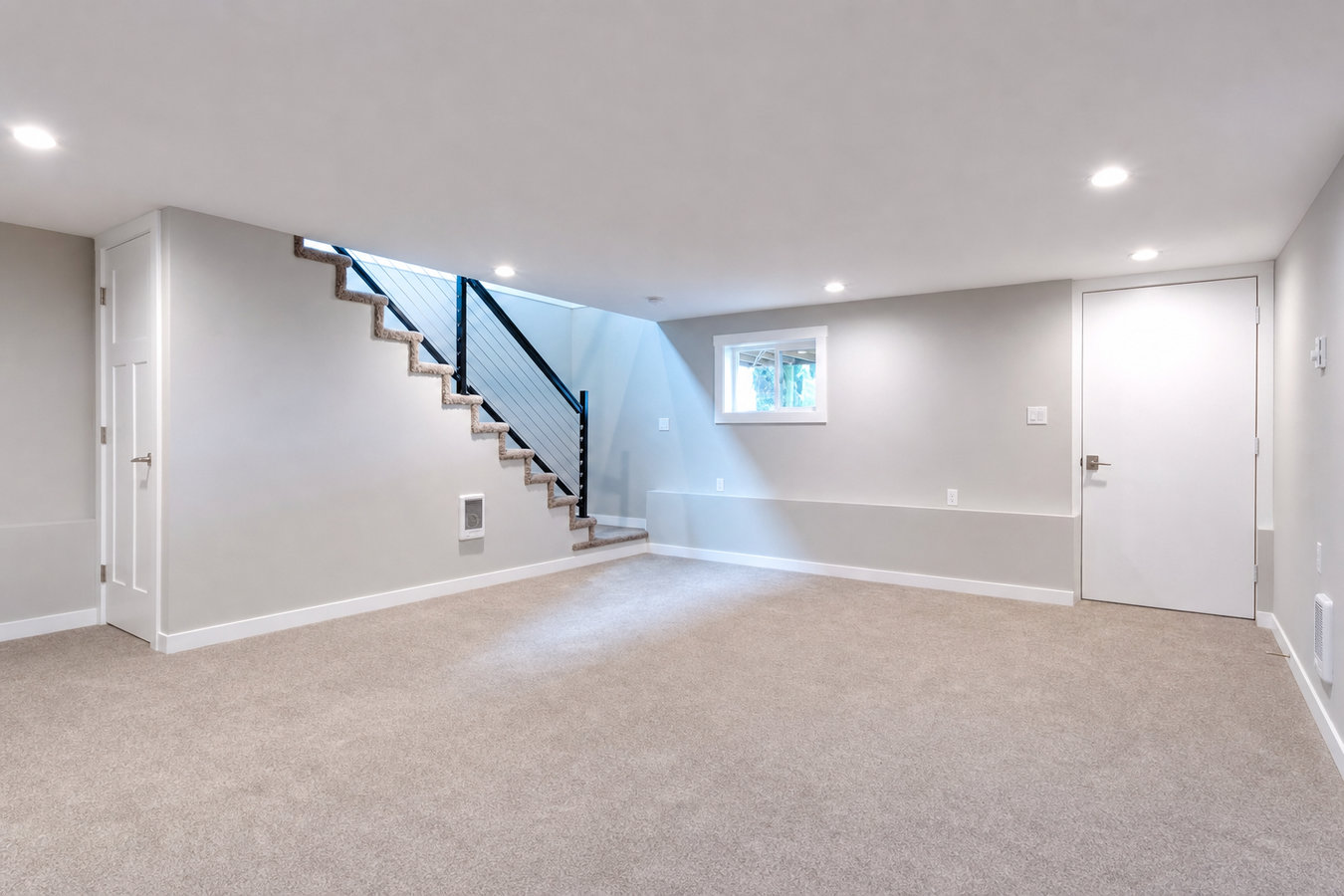
Raw concrete does not have to stay that way. We coat, polish, and seal basement floors in Midlothian with moisture testing built into every quote.
Basement flooring in Midlothian, TX starts from the concrete slab - we assess for cracks, moisture, and levelness before applying any finish, and most standard projects are completed in one to three days.
Basements and below-grade spaces in North Texas are less common than in other parts of the country, but they do exist - particularly in older and custom-built homes. If you have one, the flooring choices matter more than in a typical above-ground room. Moisture vapor coming up through the slab is the most common reason basement floors fail early, and Midlothian's seasonal soil swings make that risk real. Whether you are finishing the space as a gym, home office, or utility room, the right finish starts with understanding what the slab actually needs. For spaces where you want a smooth, low-maintenance surface throughout the rest of your home, concrete grinding and surface preparation is often the first step regardless of the finish you choose.
If you can see cracks in your concrete floor - especially ones that seem to have shifted up or down on either side - the slab has moved. In Midlothian, this is often caused by the clay soil expanding and contracting with the seasons. Left alone, these cracks can let in moisture and get worse over time. A contractor can assess whether they need to be stabilized before a new surface is applied.
If your basement floor feels cool and slightly damp to the touch, or the room has a musty odor that does not go away after airing out, moisture is likely coming up through the slab. This is especially common in Midlothian after heavy rain events when the clay soil becomes saturated. Addressing moisture before installing any floor finish is essential - otherwise the new surface will fail.
If a previous paint or coating job is coming up in patches, the prep work was not done properly or moisture got underneath the surface. This is a common problem in older basement floors and is fixable - but the old coating needs to be fully removed and the slab properly prepared before anything new goes down.
If water pools in certain areas after mopping or during heavy rain, the slab is not level. This can be a safety hazard and also makes it harder to apply a smooth, even finish. A contractor can grind down high spots or apply a self-leveling material to bring the floor to an even surface before any coating goes on.
The right finish for your basement depends on how you use the space. For gyms, workshops, and living areas, epoxy coatings are the most popular choice because they resist stains, are easy to mop, and handle heavy foot traffic. They can be applied in solid colors or with decorative broadcast flakes for a finished look. For utility and storage spaces, a penetrating concrete sealer is often enough - it protects the slab from moisture and staining without adding height or changing the look significantly. If your basement floor is rough or uneven, we handle concrete grinding and surface preparation as part of the project so the finish bonds correctly and looks even.
Polished and sealed concrete is another option for below-grade spaces where you want a clean, low-profile finish. The slab is ground smooth, cracks are filled, and a sealer is applied - this approach does not add height to the floor, which matters in basements with lower ceilings. After any of these finishes, we do a walkthrough covering care instructions and what products to avoid. For homes where the goal is a consistent hard-surface look throughout the main level and basement, concrete sealing can tie both spaces together with a compatible finish.
Best for gyms, workshops, and finished living areas that see regular foot traffic and need to be easy to clean.
Suited to homeowners who want a finished, garage-style look with added slip resistance.
A low-profile option for basements with lower ceilings or where a natural concrete look is preferred.
Practical for utility and storage spaces where moisture protection matters more than appearance.
Midlothian's heavy clay soil expands when it rains and shrinks during dry spells, which puts ongoing stress on concrete slabs. Basement floors in this area are more likely to develop movement-related cracks than in regions with more stable soil. When the clay dries out through the summer and then gets saturated during fall storms, moisture vapor can come up through the slab at unpredictable times. That is why moisture testing before any coating work is not optional here - it is the step that determines whether your new floor will last five years or fifty. Homeowners in Cedar Hill and Burleson deal with similar clay-soil dynamics, and the same slab-first approach applies across the southern DFW area.
Many newer homes in Midlothian were built with post-tension slabs - a construction method that uses steel cables inside the concrete to help it resist cracking. Those cables are under tension, and cutting into them accidentally during grinding or crack repair can cause serious structural damage. Working on post-tension slabs requires specific knowledge and care. It is worth asking any contractor you speak with whether they have experience identifying and working safely on this type of slab before hiring them. The EPA guidance on moisture and mold is useful background on why addressing vapor transmission before flooring work matters for indoor air quality.
We respond within one business day. You will share basic details about the space - size, current floor condition, and how you want to use the room - so we can set up the right kind of visit.
We visit in person to check for cracks, test for moisture, and look at levelness. In Midlothian, where clay-soil movement is common, this visit is essential. You get a written price that accounts for what your slab actually needs - including any crack repair or moisture mitigation.
The crew grinds the slab, fills cracks, and applies the chosen finish in layers. Most coating jobs run one to two days on a slab in reasonable condition. If prep work is significant, the timeline extends accordingly - we will tell you before we start.
Before leaving we walk you through the finished floor, cover what cleaners to use, and tell you when the surface reaches full hardness. Most coatings reach full cure within five to seven days - avoid dragging heavy furniture across it during that window.
We test for moisture and assess your slab before quoting - no surprises after work starts.
(469) 856-7199We test for vapor transmission before any finish goes down. Skipping this step is the most common reason basement floor coatings fail early. In Midlothian, where the soil cycles between wet and dry across the year, this test is not optional - it determines which coating system will actually hold.
Many newer Midlothian homes were built with post-tension slabs - a construction method that uses tensioned steel cables inside the concrete. Grinding or cutting into those cables causes structural damage that is expensive to repair. We know how to identify this type of slab and work safely around it.
We work in Midlothian and across Ellis County regularly, so we understand how the local soil affects concrete slabs. We know how to assess whether a crack is cosmetic or active, and which prep steps matter most before any coating or sealer is applied in this area.
Every estimate is based on what we actually see during a site visit - not a rough number from a phone call. That means the price you agree to accounts for your slab's real condition, including any crack repair or moisture work, before the job starts.
The right basement floor starts with understanding the slab beneath it. Moisture testing, post-tension awareness, and an honest written estimate are the foundation - without them, the best coating in the world will still fail. You can learn more about concrete floor construction standards at the American Concrete Institute.
Diamond grinding to remove old coatings, smooth rough slabs, and open up concrete for a strong coating bond.
Learn MorePenetrating and topical sealers that protect concrete from moisture, staining, and wear throughout your home.
Learn MoreFall and spring fill up fast - reach out now to lock in your project date and get a written estimate after a free slab assessment.